

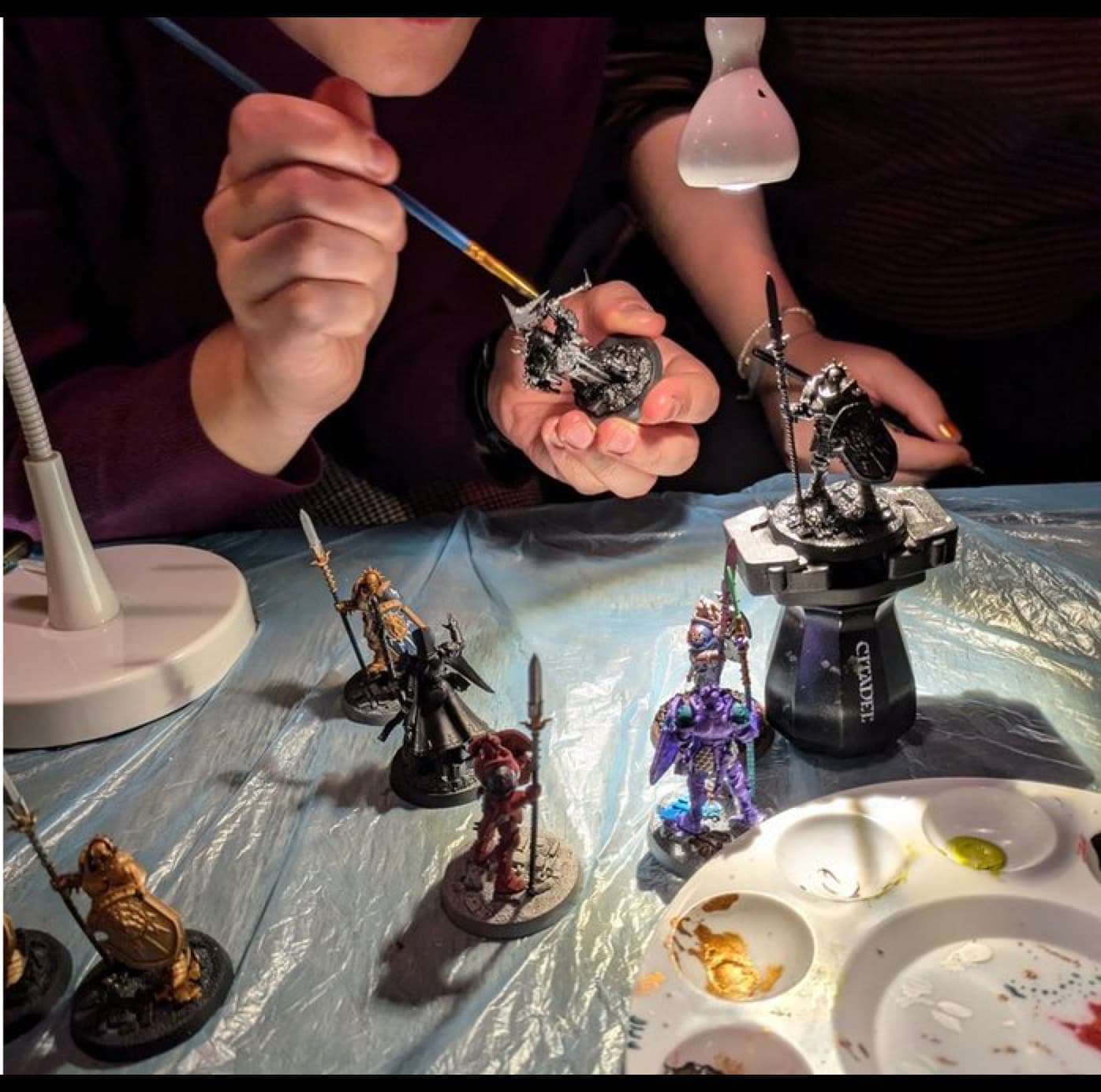
Miniature Painting: Choosing Your First Set
Azaphyr
DM
April 15, 2025
Entering the world of miniature painting can be both exciting and overwhelming. With countless brands, types of paints, brushes, and tools available, it's easy to feel lost when putting together your first painting set. This guide aims to simplify the process and help you make informed choices.
Understanding Paint Types
There are three main types of paints used for miniatures:
Acrylic Paints
These are the most common and beginner-friendly option. They're water-based, dry quickly, and are easy to clean up. Brands like Citadel, Vallejo, Army Painter, and Reaper are popular choices among miniature painters.
Oil Paints
Oil paints have a longer drying time, which allows for more blending and working time. However, they require solvents for cleanup and are generally more advanced.
Enamel Paints
These are solvent-based and create a hard, durable finish. They're less common for miniature painting due to their strong odor and cleanup requirements.
For beginners, we recommend starting with acrylic paints. They're forgiving, versatile, and there are many resources available for learning techniques with acrylics.
Essential Colors for Beginners
You don't need to buy every color under the sun to get started. Here's a basic palette that will allow you to paint most miniatures:
White
Black
Red
Blue
Yellow
Green
Brown
Metallic Silver
Metallic Gold
Flesh tone (if painting humanoid figures)
Many companies offer starter sets that include these basic colors. As you gain experience, you can expand your collection to include more specialized colors.
Choosing the Right Brushes
Quality brushes make a significant difference in your painting experience. For miniature painting, you'll want brushes with good points that hold their shape. Here are the essential brushes for beginners:
Detail brush (size 0 or 00) for fine details
Standard brush (size 1 or 2) for general painting
Larger brush (size 4 or 6) for basecoating and drybrushing
Look for brushes made with natural hair (like kolinsky sable) or quality synthetic fibers. While natural hair brushes are typically more expensive, they often provide better performance and longevity if properly cared for.
Essential Tools and Accessories
Beyond paints and brushes, here are some tools that will make your painting experience more enjoyable:
Palette or wet palette for mixing paints
Primer (white, black, or gray)
Varnish (matte, satin, or gloss) for protecting your finished work
Hobby knife for removing mold lines
Fine grit sandpaper or files
Good lighting (a desk lamp with a daylight bulb is ideal)
Magnifying glass or headband magnifier for detailed work
Brush soap for cleaning and maintaining your brushes
Recommended Starter Sets
If you prefer to buy a complete starter set rather than individual items, here are some excellent options:
Reaper Learn to Paint Kit: Includes paints, brushes, and detailed instructions
Army Painter Starter Set: Offers a good selection of paints and washes
Vallejo Basic Colors Set: High-quality paints in dropper bottles
Citadel Essentials Set: Great if you're painting Games Workshop miniatures
Where to Buy Your Supplies
You can find miniature painting supplies at:
Local hobby and game stores
Art supply stores (though they may not have miniature-specific products)
Online retailers specializing in miniature hobbies
General online marketplaces
Shopping at local stores allows you to see products in person and often provides the opportunity to get advice from experienced staff.
Conclusion
Remember that miniature painting is a hobby meant to be enjoyed. Don't feel pressured to buy the most expensive supplies right away. Start with the basics, learn techniques, and gradually expand your collection as your skills and interests develop.
Happy painting!
Related Posts
No related posts found